Marine Forum Home

Category

Ocean Science

21 articles

Out of Step: How Warming-Driven Seasonal Mismatches Are Quietly Destabilizing US Fish Populations

Out of Step: How Warming-Driven Seasonal Mismatches Are Quietly Destabilizing US Fish Populations

Marine ecosystems have always operated on timing—the synchronized arrival of predators and prey at feeding and breeding grounds that makes reproduction and survival possible. But as ocean warming accelerates, that synchrony is breaking down in ways that fisheries science has been slow to recognize and management policy even slower to address. Across US coastal zones, a phenomenon known as phenological mismatch is emerging as one of the most consequential and least-managed threats to commercial f
Dissolving Foundations: How Falling Ocean pH Is Undermining Shell-Building Life Across US Coastal Waters

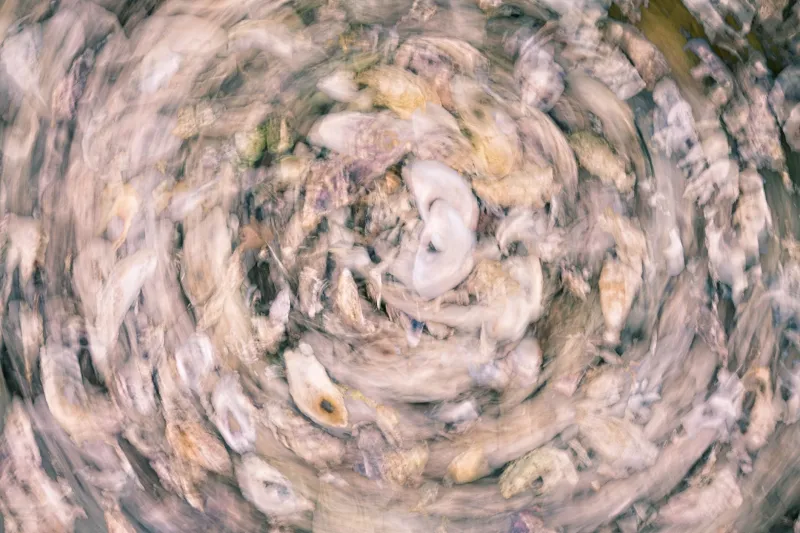
Dissolving Foundations: How Falling Ocean pH Is Undermining Shell-Building Life Across US Coastal Waters

As seawater chemistry shifts beneath the surface, the organisms that build shells and skeletons from calcium carbonate are facing a quietly intensifying crisis. From pteropods in the Pacific to oyster larvae in the Chesapeake, declining pH levels are rewriting the biological rules of coastal ecosystems. Understanding which species face the gravest risk—and why those risks vary by region—has become one of the most pressing questions in American marine science.

Cleaning Up Isn't Enough: The Hidden Nitrogen Reservoirs Still Feeding America's Coastal Dead Zones

Cleaning Up Isn't Enough: The Hidden Nitrogen Reservoirs Still Feeding America's Coastal Dead Zones

Decades of tightening fertilizer regulations and upgrading wastewater infrastructure have not halted the expansion of hypoxic zones along US coastlines—a reality that has left scientists and policymakers searching for answers. Emerging research points to vast stores of legacy nitrogen buried in aquifers, atmospheric pathways, and shifting microbial behavior as forces operating largely outside the reach of conventional controls. Understanding these hidden drivers may require a fundamental rethink

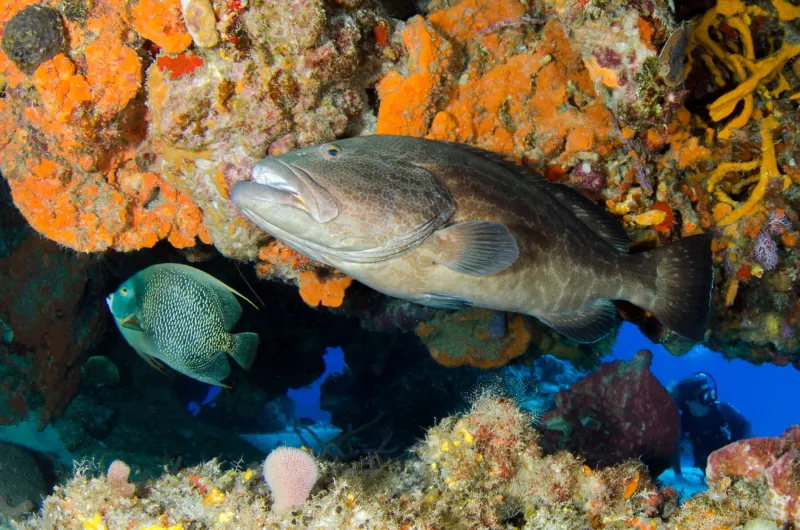
The Middle Tier Matters: How Losing Groupers, Snappers, and Jacks Is Quietly Unraveling US Fishery Food Webs

The Middle Tier Matters: How Losing Groupers, Snappers, and Jacks Is Quietly Unraveling US Fishery Food Webs

Marine scientists have long documented the ecological consequences of removing sharks and marine mammals from ocean systems, but a quieter crisis is unfolding one level down the food web. The selective depletion of mid-level predatory fish—groupers, snappers, and large jacks—is triggering trophic cascades that are reshaping species composition and recruitment patterns across US coastal fisheries. Understanding these dynamics may prove essential to the long-term viability of both commercial and r

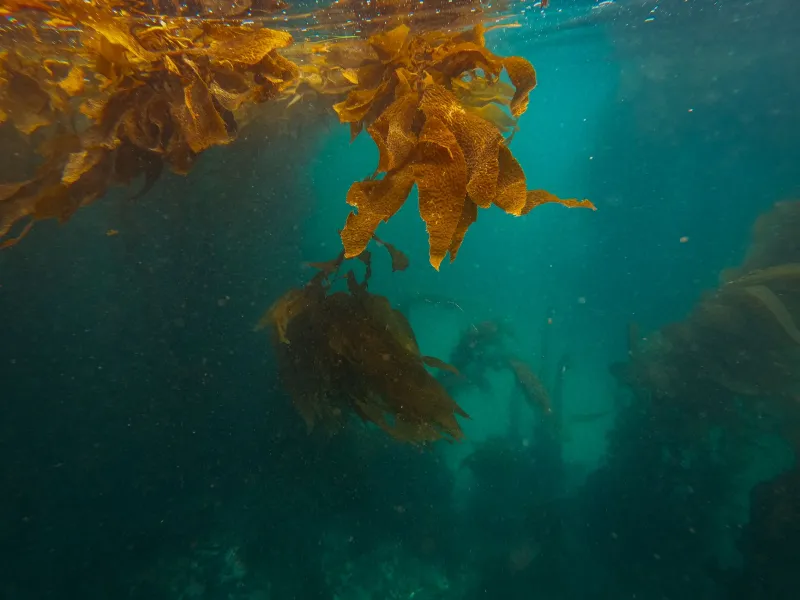
Urchin Barrens: How Purple Sea Urchins Are Dismantling the West Coast's Kelp Ecosystem One Holdfast at a Time

Urchin Barrens: How Purple Sea Urchins Are Dismantling the West Coast's Kelp Ecosystem One Holdfast at a Time

Beneath the surface of America's Pacific coastline, purple sea urchins are methodically consuming the foundational architecture of one of the ocean's most biodiverse ecosystems. The collapse of sea star populations, compounded by warming ocean temperatures, has removed the ecological brakes that once kept urchin populations in check. Understanding the feedback loops now driving this transformation is essential for anyone serious about the future of West Coast marine life.

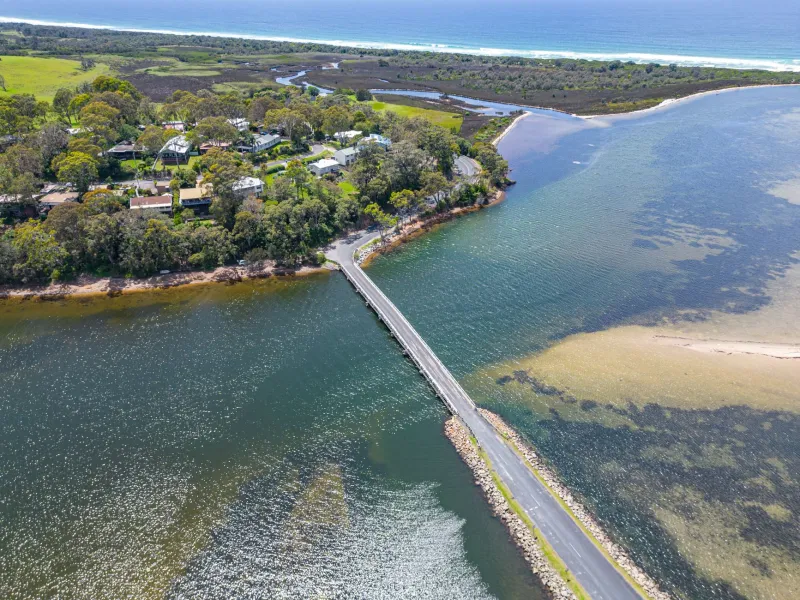
Where Rivers Surrender to the Sea: The Scientific Fault Lines Dividing America's Most Productive Coastal Zones

Where Rivers Surrender to the Sea: The Scientific Fault Lines Dividing America's Most Productive Coastal Zones

Estuaries are among the most ecologically productive environments on Earth, yet they have also become arenas where competing scientific priorities collide with devastating policy consequences. From the Chesapeake Bay to the Mississippi Delta to San Francisco Bay, researchers and stakeholders are discovering that managing these transition zones requires choosing between goals that science alone cannot reconcile.

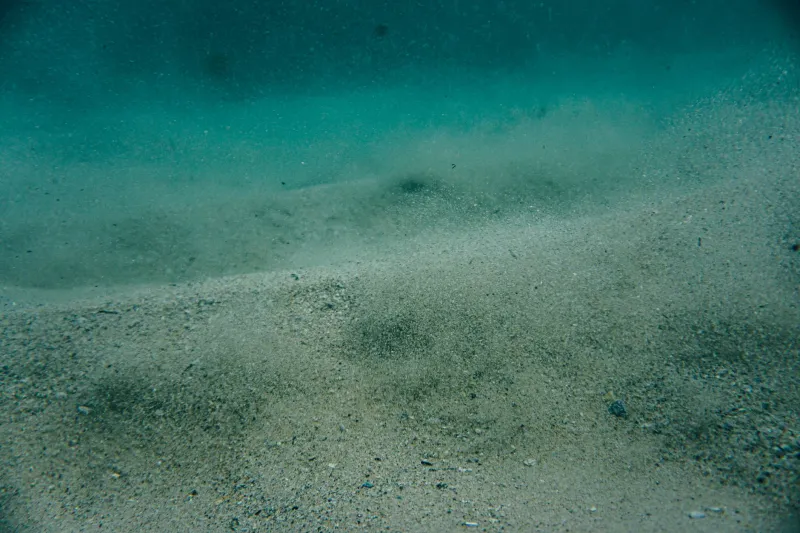
Beneath the Mud: How Sediment Microbes Are Silently Governing the Fate of America's Coastal Fisheries

Beneath the Mud: How Sediment Microbes Are Silently Governing the Fate of America's Coastal Fisheries

Beneath the surface of America's most productive coastal waters lies a microbial world so consequential that its disruption can cascade through entire fishery ecosystems. New research into benthic biogeochemistry is forcing marine scientists to reconsider what actually drives fish abundance — and the answer begins not with predators or prey, but with the organisms too small to see. Understanding sediment microbial communities may be among the most urgent and underappreciated frontiers in contemp

Breathing Room: Why Dissolved Oxygen Has Become the Hidden Ruler of American Fisheries

Breathing Room: Why Dissolved Oxygen Has Become the Hidden Ruler of American Fisheries

Hypoxic dead zones have long commanded public attention, but a quieter crisis is unfolding in the mid-water columns of US coastal seas — one measured in fractions of a milligram per liter. As dissolved oxygen levels fluctuate in ways that defy historical baselines, fisheries scientists and managers are confronting a metric that may ultimately determine where fish can live, feed, and reproduce across American waters.

Bloom and Gloom: Rethinking What Jellyfish Proliferation Actually Tells Us About US Coastal Waters

Bloom and Gloom: Rethinking What Jellyfish Proliferation Actually Tells Us About US Coastal Waters

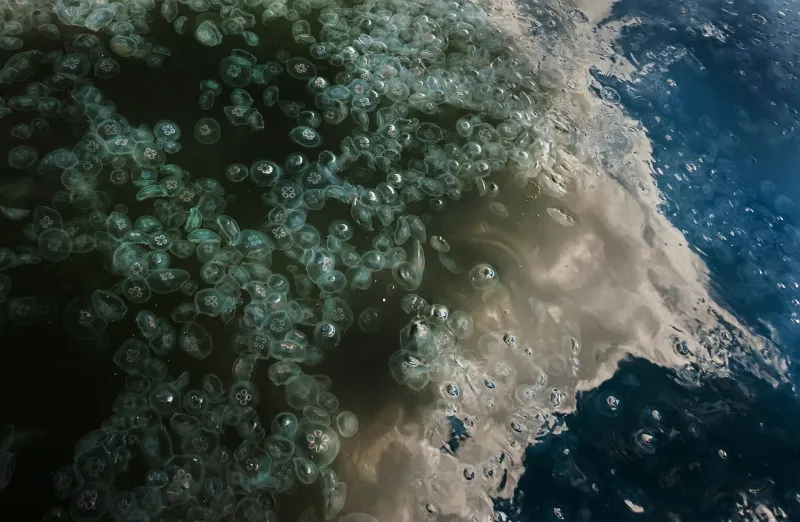
Jellyfish blooms are appearing with greater frequency along American coastlines, prompting sharply divided interpretations among marine scientists. While some researchers view the proliferation as a symptom of cascading ecosystem dysfunction, others argue it reflects a more nuanced — and potentially predictable — restructuring of marine communities. The debate raises fundamental questions about how ocean health is defined, measured, and communicated to the public.

The Collapse Beneath the Surface: What Happens to US Coastal Ecosystems When Their Largest Predators Disappear

The Collapse Beneath the Surface: What Happens to US Coastal Ecosystems When Their Largest Predators Disappear

When large predatory fish vanish from American coastal waters, the effects ripple far beyond the obvious loss of a single species. From the Atlantic seaboard to the Pacific Northwest, researchers are documenting unexpected ecological transformations—secondary extinctions, runaway prey populations, and recovery trajectories that confound even the most carefully designed restoration frameworks.

Carried Away: How Shifting Ocean Currents Are Redrawing the Map of Marine Life Along US Coastlines

Carried Away: How Shifting Ocean Currents Are Redrawing the Map of Marine Life Along US Coastlines

As ocean currents warm and reorganize under climate pressure, larval fish and juvenile marine species are being swept into unfamiliar coastal waters, triggering ecological collisions that fisheries managers are only beginning to understand. Marine biologists tracking real-time species redistribution warn that the consequences extend far beyond individual populations, threatening the ecological architecture of entire regional food webs. This examination of current-driven migration draws on emergi

Adrift and Imperiled: The Sargasso Sea's Role in American Fisheries and the Science Wars Surrounding It

Adrift and Imperiled: The Sargasso Sea's Role in American Fisheries and the Science Wars Surrounding It

The Sargasso Sea, a vast open-ocean region bounded by currents rather than coastlines, serves as an irreplaceable spawning and nursery ground for species that anchor American fisheries from Maine to the Gulf Coast. Yet competing scientific interpretations of how pollution, warming, and distant fishing pressure are altering recruitment patterns have produced as many questions as answers. What happens in this remote Atlantic expanse does not stay there — and researchers are only beginning to recko

Ascending from the Deep: What Mesopelagic Predators Drifting Toward US Coastlines Are Telling Us About a Changing Ocean

Ascending from the Deep: What Mesopelagic Predators Drifting Toward US Coastlines Are Telling Us About a Changing Ocean

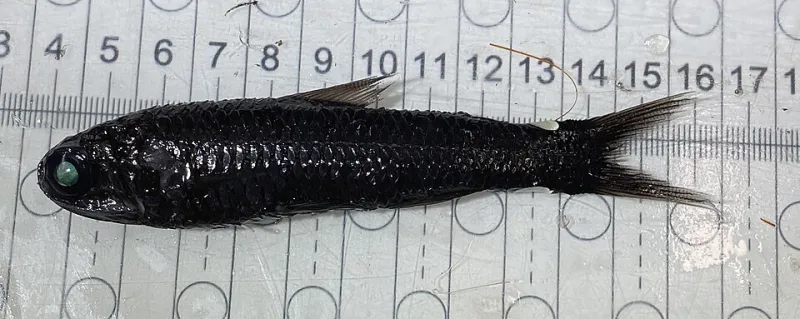
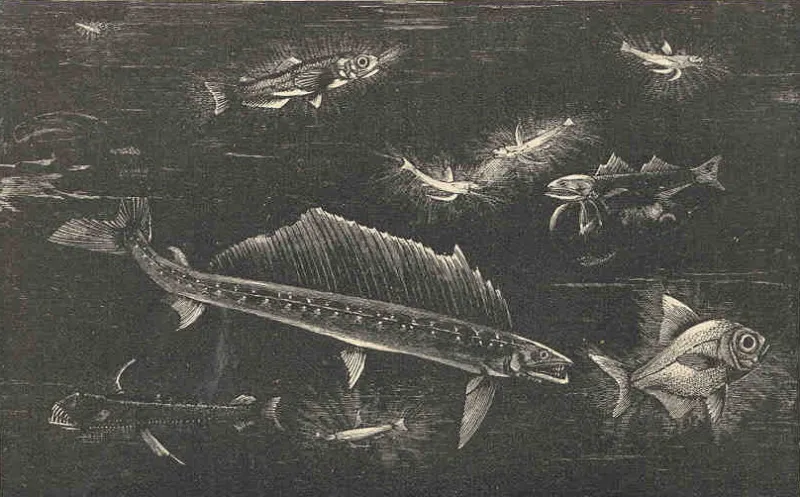
Lanternfish, hatchetfish, and deep-sea squid have long inhabited the ocean's twilight zone, a dimly lit stratum between 200 and 1,000 meters that most fisheries managers rarely consider. Now, mounting evidence suggests these mesopelagic species are being encountered with increasing frequency in shallower coastal waters, raising urgent questions about what is driving this vertical displacement and what it portends for US fisheries and marine food webs.

Light from the Abyss: How Bioluminescence Is Becoming a Diagnostic Instrument for Deep-Ocean Health

Light from the Abyss: How Bioluminescence Is Becoming a Diagnostic Instrument for Deep-Ocean Health

Far below the reach of sunlight, countless marine organisms produce their own light — and scientists are increasingly treating those fleeting flashes as data. A new generation of optical sensors and long-duration submersible platforms is transforming bioluminescence from a biological curiosity into a measurable proxy for ecosystem condition. What these glowing signals reveal about deep-ocean health may reshape how researchers monitor the least-understood regions of the planet.

The Whale as a Living Pump: Rethinking Cetaceans as Architects of Ocean Fertility

The Whale as a Living Pump: Rethinking Cetaceans as Architects of Ocean Fertility

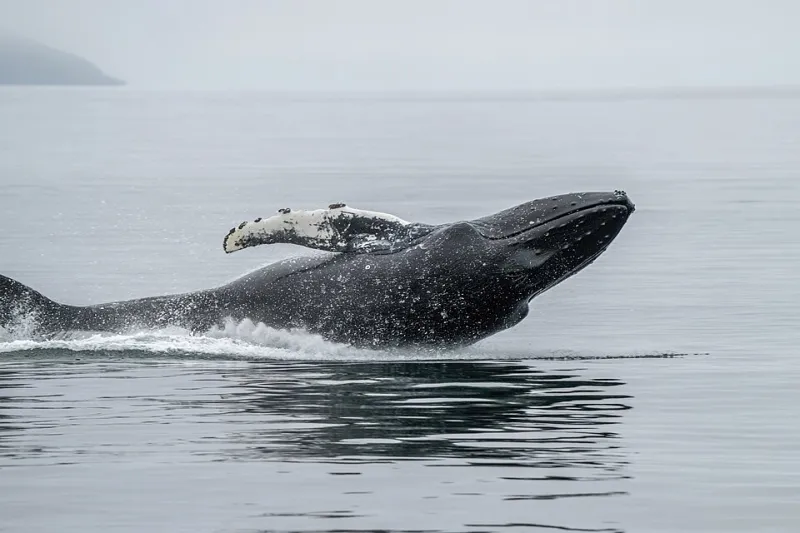
New research is repositioning large whales not merely as conservation icons but as active biological forces that redistribute nutrients across ocean basins, fuel phytoplankton productivity, and may play a measurable role in carbon sequestration. As whale populations slowly recover in US waters, scientists are asking whether restoring these animals could yield ecological dividends far beyond what traditional conservation frameworks have anticipated.

Microbial Gatekeepers: How Tiny Ocean Organisms May Hold the Key to Climate Tipping Points

Microbial Gatekeepers: How Tiny Ocean Organisms May Hold the Key to Climate Tipping Points

Beneath the surface of America's coastal waters, communities of microorganisms are engaged in a biochemical balancing act with profound implications for global climate. New research into methane-producing and methane-consuming marine microbes is challenging long-held assumptions about how ocean systems respond to warming—and raising urgent questions about whether existing monitoring infrastructure is capable of detecting early warning signals before they become irreversible.

Fragile Futures: Why the Promise of Coral Restoration May Be Outpacing the Science Behind It

Fragile Futures: Why the Promise of Coral Restoration May Be Outpacing the Science Behind It

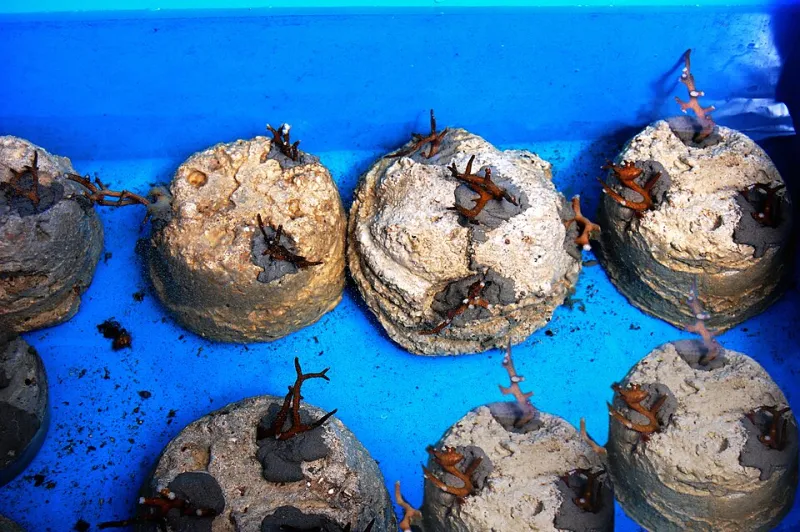
Coral restoration programs in Florida and Hawaii have attracted significant investment and considerable public enthusiasm, but a growing body of field research is raising uncomfortable questions about long-term survival rates and ecological effectiveness. As ocean temperatures climb and chemistry shifts, marine scientists are being pressed to examine whether current restoration methodologies are genuinely building resilience—or constructing a narrative of progress that the data does not yet supp

No Easy Fix: The Scientific Fault Lines Running Through America's Hypoxic Zone Crisis

No Easy Fix: The Scientific Fault Lines Running Through America's Hypoxic Zone Crisis

Decades of research have confirmed that America's dead zones are expanding, yet the scientific community remains fractured over how best to reverse them. From nutrient reduction campaigns to hydrological engineering proposals, competing frameworks each carry compelling evidence — and significant caveats. Understanding why consensus has proven so elusive may be just as important as the solutions themselves.

Pacific Salmon as Ocean Architects: Tracing the Nutrient Threads That Bind Marine Ecosystems

Pacific Salmon as Ocean Architects: Tracing the Nutrient Threads That Bind Marine Ecosystems

New research is revealing that Alaska's wild salmon runs do far more than feed bears and eagles—they trigger a cascade of nutrient transfers that reshape marine food webs from the shallow coast to the deep seafloor. Using advanced acoustic tagging and isotopic tracing, scientists are beginning to map connections that were previously invisible to researchers. What they are finding challenges long-held assumptions about where ocean productivity begins and ends.

Counting the Invisible: Why US Microplastic Research Is Failing Coastal Fisheries

Counting the Invisible: Why US Microplastic Research Is Failing Coastal Fisheries

Microplastic contamination data from US coastal fisheries varies so dramatically between regional studies that scientists struggle to draw meaningful comparisons. A closer examination of the methodological inconsistencies driving this problem reveals a research community in urgent need of unified protocols. Marine biologists working on the front lines are calling for systemic change before the data gap widens further.